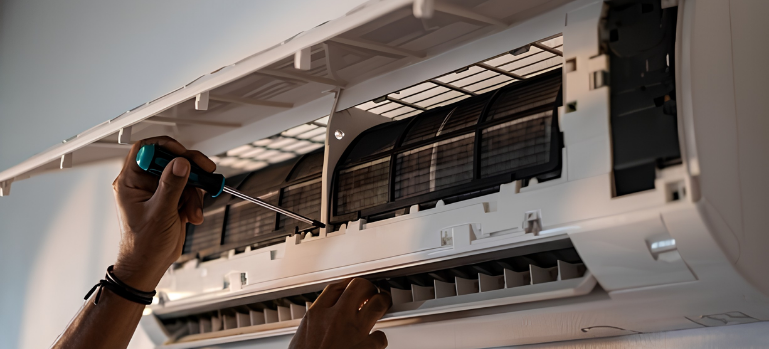
If you need urgent AC Repair East Lake Florida services because your system has stopped blowing cold air, you might be dealing with AC Freezing. Finding a block of ice encasing your air conditioner when it is 95 degrees outside feels completely counterintuitive. How does a machine designed to cool your home turn into an icebox during the hottest part of the year? More importantly, what does it mean for the health of your system, and how can you fix it before it causes thousands of dollars in water damage or catastrophic compressor failure?
Living in East Lake, Florida, is a dream for many. With the expansive beauty of Lake Tarpon, the serene canopy of Brooker Creek Preserve, and the meticulously planned neighborhoods that make this area so desirable, residents enjoy a high standard of living. However, the same environment that makes East Lake so beautiful—the intense Florida heat, the lingering humidity, and the lush vegetation—creates a relentless demand on your home’s climate control system.
As a homeowner here, you rely on your air conditioning unit to do much more than just provide cool air; it must act as a massive dehumidifier, pulling gallons of moisture out of the air inside your living space every single day. Because your system is constantly battling these extremes, a frustrating phenomenon can occur right in the middle of a sweltering July afternoon: your air conditioner freezes solid.
Finding a reliable HVAC Service Near Me often feels like a gamble, but understanding what is happening inside your unit is the first step toward reclaiming your comfort. In this guide, we will break down the science of AC Freezing, why it happens, and how the right HVAC Contractor East Lake professionals approach the repair.
The Paradox: Why Does Ice Form in the Heat?
To understand the root cause behind AC Freezing, you must first understand the basic mechanics of how an air conditioner operates. Contrary to popular belief, your AC does not actually “create” cold air. Instead, it extracts heat and humidity from the air inside your home and pumps it outside.
The process relies on the evaporator coil, a component that sits inside your indoor air handler. This coil is filled with cold, chemical refrigerant. As the warm, humid air from your home blows across this coil, the refrigerant absorbs the heat. Simultaneously, the moisture in the air condenses on the coil—much like water droplets forming on the outside of a cold glass of iced tea on a humid Florida porch.
Under normal circumstances, this condensation drips into a drain pan and is channeled outside. However, this process requires perfect balance. If the air is not warm enough, or if the refrigerant gets too cold, the condensation on the coil turns to ice before it can drip away. This creates a compounding layer of ice that eventually suffocates the entire system.
The Primary Culprit: Restricted Airflow
The single most common reason an air conditioner turns into a block of ice is restricted airflow. Your system needs a constant, heavy volume of warm air moving across the indoor coil to keep the temperature above freezing. When you starve the coil of warm air, AC Freezing is the inevitable result.
Clogged Air Filters
In East Lake neighborhoods surrounded by thick, lush foliage, pollen counts are high, and dust accumulation is rapid. A clogged air filter acts like a brick wall, preventing return air from reaching your coil. Replacing this filter is the first step when you are researching AC Service Near Me to diagnose cooling issues. If your filter is gray or clogged with debris, your system is struggling to breathe, and ice will quickly form.
Blocked Return Vents
Many homeowners mistakenly close supply vents in unused guest bedrooms to “save energy.” While this seems logical, it creates a massive imbalance in system pressure. Closing vents reduces the total volume of air moving across the evaporator coil, creating a prime environment for ice formation. If you are experiencing inconsistent cooling, check your vents before assuming you need major AC Repair East Lake Florida services.
Ductwork Integrity
Older homes in Pinellas County often rely on flexible ductwork running through incredibly hot, tight attic spaces. Over time, these ducts can degrade, or they can become crushed by heavy storage boxes, effectively choking off the system’s ability to breathe properly.
Low Refrigerant: The Hidden Chemical Issue
If your airflow is strong but your system is still turning into an ice block, you are likely dealing with a chemical issue: low refrigerant. Refrigerant is the lifeblood of your system, circulating in a closed loop. It is never “consumed” like gas in a car.
If your system is low on refrigerant, you have a leak. When refrigerant levels drop, the pressure inside the evaporator coil drops with it. This pressure drop causes a severe drop in temperature. The remaining refrigerant becomes excessively cold—far colder than factory specifications—instantly freezing the moisture in the humid East Lake air as it passes through your system. This extreme temperature drop is a primary driver of AC Freezing.
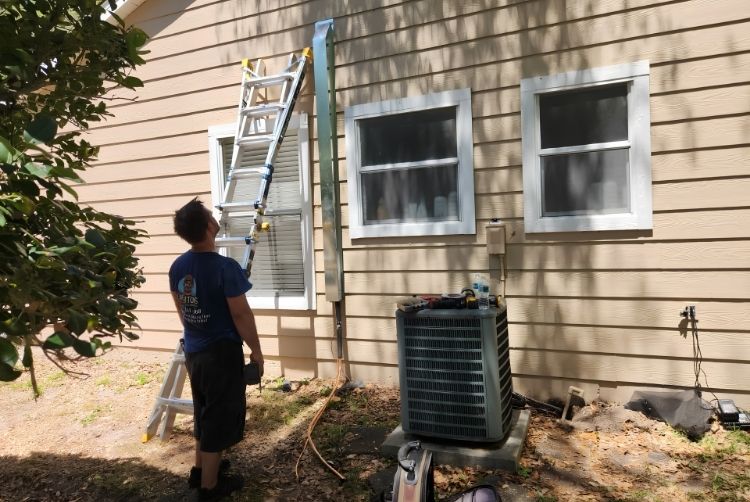
Detecting these leaks requires specialized equipment. Coastal salt air, combined with the normal wear and tear of Florida summers, often causes microscopic “pinhole” leaks in the copper coils. Fixing this is not a DIY job; it requires a certified HVAC Contractor East Lake expert to locate the leak, repair the copper, and recharge the system correctly.
Mechanical Failures and Dirty Coils
Blower Motor Failure
Your indoor blower motor is the fan responsible for sucking warm air from your house and pushing it over the evaporator coil. If this motor burns out, slows down, or the fan belt snaps, airflow stops completely. Without that warm air, the coil will freeze within an hour. This is a common service call where homeowners require professional AC Repair East Lake Florida to get the home cooling again.
Dirty Evaporator Coil
If you have run your system without a filter, dirt and grime will cake directly onto the aluminum fins of the evaporator coil. This dirt acts as an insulator, preventing the refrigerant inside the coil from absorbing heat. Because the heat transfer is blocked, the coil freezes. Cleaning these coils is a delicate task that often requires a professional Heating Repair Contractor East Lake expert, as they are equipped to handle both heating and cooling components, which share much of the same internal infrastructure.
Immediate Action Steps: What to Do
If you notice ice on your refrigerant lines, see water pooling around your indoor unit, or feel barely any air coming from your vents, you need to act fast to stop the AC Freezing process:
Turn the System OFF: Do not just turn the temperature up; switch the entire system from “Cool” to “Off.” Leaving a freezing system running will permanently destroy the compressor, the most expensive part of your HVAC unit.
Turn the Fan to “ON”: Switch your thermostat fan setting from “Auto” to “On.” This forces the indoor blower motor to circulate warm household air over the frozen coil, speeding up the thawing process.
Check the Drain Pan: As that block of ice melts, it will release gallons of water quickly. Ensure your condensate drain line is clear so the melting ice does not overflow and flood your ceiling or drywall.
Do Not Touch the Ice: Never attempt to chip, scrape, or melt the ice with a heat gun. The aluminum fins are paper-thin and easily punctured. A single slip will turn a simple repair into a total system replacement.
When you need professional help, do not just search for a generic HVAC Service Near Me. You need a company that understands the specific humidity challenges of Pinellas County.
Choosing the Right Professional Help
Waiting for your system to thaw can take anywhere from four to twenty-four hours. Once the ice is gone, you must address the root cause, or you will face AC Freezing again tomorrow. East Lake homes often feature complex systems that demand precision. Stop wasting time frantically searching for an AC Service Near Me and trust local experts who can accurately diagnose the problem on the first visit.
When you choose a qualified HVAC Contractor East Lake specialist, you are paying for more than just a repair; you are paying for the diagnostic expertise to identify whether your problem is a dirty coil, a refrigerant leak, or a failing motor. Our team prides itself on an honest, “tradesman over salesman” approach. Whether you need an emergency AC Repair East Lake Florida visit or a second opinion on a replacement quote, we believe in fixing what is broken rather than aggressively selling you equipment you do not need.
While cooling is our primary focus for most of the year, we understand that Florida weather can be unpredictable. We also serve as the Heating Repair Contractor East Lake families rely on. When temperatures plummet during a January cold snap, your furnace and heat pump need to be just as reliable as your air conditioner. A Heating Repair Contractor East Lake professional can ensure your heat strips and reversing valves are ready for those few weeks where the Florida sun isn’t enough.
Final Thoughts on Maintenance
Maintaining an HVAC system in Florida is a year-round commitment. By changing your filters regularly and scheduling biannual tune-ups, you can avoid the severe frustration of a frozen system.
If you find yourself struggling with a system that just won’t stay cool, remember that proper AC Repair East Lake Florida is an investment in your home’s longevity. Avoiding the “quick fix” and opting for a thorough diagnostic is the only way to prevent recurrent freezing. Don’t settle for the first AC Service Near Me result you find online; choose a proven local partner who values long-term solutions over quick sales.
If you are currently looking for an HVAC Service Near Me, remember that proximity, licensing, and a transparent repair philosophy are what matter most. We are here to help you get your home back to a comfortable temperature, ensuring your unit runs efficiently through the harshest of Florida summers.
Frequently Asked Questions (FAQs)
1. Why is my AC freezing up in summer?
Restricted airflow or low refrigerant drops the coil temperature, causing humidity to freeze into ice on the components.
2. Should I scrape the ice off my AC?
Never scrape the ice! The aluminum coil fins are fragile. Scraping can puncture them, ruining your entire AC system.
3. What is the first thing to do if my AC freezes?
Turn the thermostat from Cool to Off immediately. Then, turn the fan setting to On to help thaw the ice safely.
4. Can a dirty air filter cause AC freezing?
Yes. A clogged filter blocks warm return air from reaching the evaporator coil, causing the internal temps to plummet.
5. How long does it take for a frozen AC to thaw?
It typically takes four to twenty-four hours to completely thaw. Keep the system off and the fan on during this time.
6. Does low refrigerant cause an AC to freeze?
Yes. Low refrigerant causes a drop in pressure and temperature inside the coil, freezing the condensation instantly.
7. Why does my AC leak water after freezing?
As the ice melts, it releases gallons of water rapidly. This can easily overflow a clogged condensate drain pan.
8. Can I fix a frozen AC myself?
Changing filters helps, but fixing leaks requires professional AC Repair East Lake, Florida to prevent system damage.
9. How often should I change my AC filter in East Lake?
Due to high pollen and dust, replace your standard pleated air filter every 30 days during the peak Florida summer.
10. Can closing vents cause my AC to freeze?
Yes. Closed vents restrict airflow, causing ice. If it still freezes when open, call AC Repair East Lake, Florida.