
Finding dependable AC Service in Clearwater, FL is not just a matter of staying comfortable—it is essential for protecting your home against relentless Gulf Coast heat and tropical humidity. Between the blazing sun, persistent moisture, and corrosive coastal air, cooling systems in Pinellas County operate under conditions far harsher than those in most other parts of the country.
Understanding how your cooling equipment works, recognizing early signs of failure, and adhering to simple preventative routines will save you thousands of dollars in premature replacements. This comprehensive guide covers everything Clearwater homeowners need to know about keeping their cooling systems running at peak performance year-round.
The Coastal Impact: Why Clearwater’s Climate Strains Air Conditioning Systems
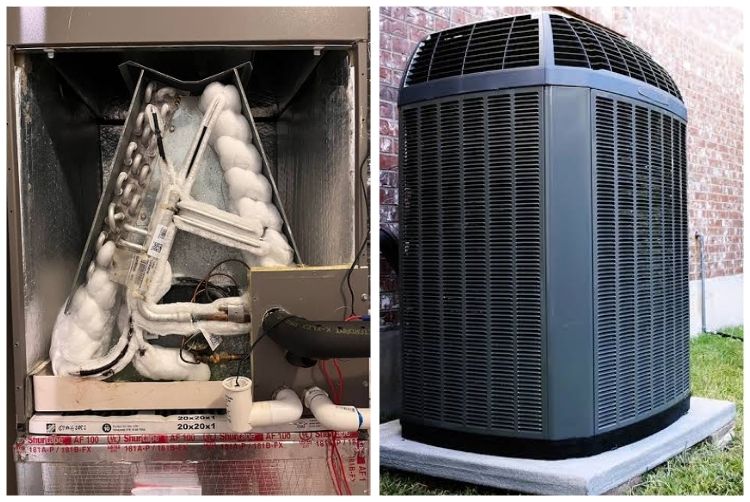
Air conditioners operate under basic thermodynamic principles: they absorb heat and humidity from your indoor living spaces and reject that heat to the outdoors through an outdoor condenser unit. In Clearwater, this process is pushed to its physical limits due to two environmental factors: intense humidity and salt-laden sea air.
The Heavy Dehumidification Burden
Most people think air conditioners only cool the air temperature. In reality, a massive part of their workload in Florida involves removing moisture. High ambient humidity forces your system to run longer cooling cycles to pull latent heat (water vapor) out of the indoor atmosphere. According to the U.S. Department of Energy, restricted airflow or poorly maintained coils can reduce an air conditioner’s energy efficiency by up to 15%, causing utility bills to spike as the unit battles constant indoor moisture. Maintaining indoor relative humidity between 30% and 50% is crucial not only for personal comfort, but also for preventing dust mites and structural mold growth as detailed by the U.S. Environmental Protection Agency.
Salt Air and Galvanic Corrosion
Whether your property sits right on Clearwater Beach, overlooking Mandalay Bay, or tucked inland near Safety Harbor, Gulf breezes carry microscopic salt particles across the entire peninsula. Salt deposits accumulate on the delicate aluminum fins and copper tubing of your outdoor condenser unit.
When moisture combines with these salt deposits, it triggers rapid corrosion. Over time, this degradation thins the coil walls, disrupts efficient heat exchange, and leads to tiny pinhole leaks in the refrigerant line. Left unaddressed, a standard system designed to last 12 to 15 years can deteriorate in as few as 6 to 8 years in our coastal environment.
Common Cooling Issues That Demand AC Repair Clearwater Florida Homeowners Face
Because of our specific regional climate, local HVAC systems exhibit predictable failure patterns. Recognizing these problems early allows you to schedule prompt AC repair Clearwater Florida technicians can resolve before minor faults turn into catastrophic system breakdowns.
1. Pinhole Refrigerant Leaks
Refrigerant is the chemical blood of your air conditioning system, circulating in a closed loop between indoor and outdoor coils to carry heat away from your living spaces. When salt corrosion attacks copper or aluminum coil tubes, refrigerant slowly leaks out into the atmosphere.
Warning Signs: The system runs continuously without reaching the thermostat’s set temperature, the supply vents blow tepid or lukewarm air, or you hear a faint hissing sound near the outdoor unit.
The Danger: Running a compressor with low refrigerant levels creates friction, excessive heat, and ultimate compressor burnout—one of the costliest repairs in the HVAC industry.
2. Frozen Evaporator Coils
It seems illogical for ice to develop inside a mechanical unit when outdoor temperatures are well into the 90s, but it happens routinely throughout Pinellas County. Evaporator coils freeze primarily for two reasons: severely restricted airflow (such as a dirty filter packed with dust and sand) or low refrigerant levels.
Warning Signs: Weak airflow from vents, moisture dripping around the indoor air handler cabinet, or visible layers of frost building up along the copper pipes entering the indoor unit.
The Danger: Turning the thermostat lower will only worsen the ice accumulation, which can bend coil fins and short out surrounding electronics.
3. Clogged Condensate Drain Lines
As your air conditioner extracts dozens of gallons of water from your home’s air each week, that condensation collects in an internal drip pan and drains through a white PVC pipe to the exterior of your home. In Clearwater’s warm, damp atmosphere, dark condensate pipes create an ideal breeding ground for algae, bacterial sludge, and mold.
Warning Signs: Standing water around your indoor air handler closet, water stains on ceilings directly below an attic-mounted unit, or a sudden system shutdown triggered by a float safety switch.
The Danger: Water backing up into your living area can ruin drywall, subfloors, and ceilings, leading to expensive structural remediation alongside mechanical repair.
4. Capacitor and Contactor Electrical Burnout
Florida experiences more lightning strikes and intense electrical storms than almost any other state. Power surges from frequent summer thunderstorms can degrade and burst dual-run capacitors—the small cylindrical components that supply the initial electrical jolt needed to start your fan motors and compressor. Continuous heat also causes contactor switches to pit, stick, and weld shut.
4 Things to Look for in a Reputable Service Provider
Not all mechanical companies operate with the same standard of craftsmanship. When temperatures surge past 95 degrees, it is tempting to book the first contractor with an open slot. Taking just fifteen minutes to vet your service provider will protect your home and wallet.
Here is exactly what you should demand from any reputable contractor:
1. State Licensing and Comprehensive Insurance
In Florida, heating and air conditioning work must be performed by a licensed contractor holding either a Certified Air Conditioning Contractor license (statewide) or a Registered license (county-specific). Always verify their license number on the Florida Department of Business and Professional Regulation (DBPR) portal. Additionally, insist on proof of general liability and workers’ compensation coverage. If an uninsured handyman gets hurt in your attic or accidentally causes a house fire, liability could fall squarely on your shoulders.
2. Proven Local Roots and Community Reputation
Fly-by-night operators frequently pop up after severe storms and vanish when warranty claims arise. Partner with established companies that have proudly served Clearwater, Dunedin, Largo, and Safety Harbor for years. Read independent feedback across Google Reviews and the Better Business Bureau. Pay close attention to how management handles dissatisfied clients—a true professional company always responds constructively and seeks fair resolutions.
3. Upfront, Written Estimates
A trustworthy contractor stands behind transparent pricing. After thoroughly diagnosing your system on-site, they should present an itemized estimate explaining required replacement parts, labor rates, and warranty details before any work begins. Beware of contractors who quote fixed repair prices over the telephone without physically inspecting the equipment; these are often designed to bait you into an inflated final invoice once they arrive at your home.
4. True 24/7 Emergency Availability
Air conditioners rarely fail during convenient business hours; they break on holiday weekends or during sultry August nights. Make sure your chosen company maintains a genuine emergency dispatch service with live dispatchers, rather than a generic answering machine that sits unchecked until Monday morning.
Real-World Scenarios: Diagnosing Sudden AC Failures
Understanding theoretical mechanics is helpful, but seeing how these issues unfold in real life clarifies what steps to take when a disruption happens.
Scenario A: The “Lukewarm Breeze” on a Sunday Afternoon
The Situation: You arrive home after a sunny afternoon at Coachman Park, but instead of walking into a crisp 73°F sanctuary, the living room feels stuffy, registering 81°F on the thermostat. You hold your hand over the supply vent in the hallway; air is moving, but it feels like a weak fan blowing room-temperature air.
The Cause: This is the signature symptom of a drop in refrigerant charge caused by coastal corrosion, or an evaporator coil that has begun freezing over due to blocked airflow.
The Solution: Shut the system off immediately at the thermostat to protect the compressor from heat damage. Inspect the air filter; if it is dark and loaded with dust, replace it. If the unit does not resume blowing cold air after the ice has melted, schedule an evaluation to check system operating pressures.
Scenario B: The Mystery Water Puddle in the Hallway Closet
The Situation: You open your utility closet to grab a mop and discover socks and shoes soaked in a quarter-inch of water spreading across the baseboard.
The Cause: Algae has formed a gelatinous plug inside the trap of your primary condensate line, overflowing the internal drain pan.
The Solution: Power down the unit at the breaker to stop condensation production. Clear the blockage using a wet/dry shop vacuum attached to the exterior drain exit outside your foundation. If you cannot clear the obstruction yourself, a technician can clear the line with high-pressure nitrogen and check that your float safety switch is functional.
Scenario C: The Loud Humming Noise with No Airflow
The Situation: Your thermostat clicks to initiate a cooling cycle. You hear a low, electrical buzz coming from the outdoor unit, but the fan blades are stationary and no air emerges inside.
The Cause: The run capacitor has degraded and failed to deliver the phase-shifted voltage necessary to start the condenser fan motor.
The Solution: Never attempt to touch or replace high-voltage capacitors without professional training, as they store lethal electrical charges even when power is disconnected. Contact an emergency repair technician who can safely discharge the component and install an appropriately rated replacement.
Actionable Homeowner Maintenance Checklist to Protect Your AC
Proactive routine care is the simplest way to extend the lifespan of your cooling system in coastal Florida. Incorporating these straightforward tasks into your monthly routine will keep your system running cleanly and reliably.
| Frequency | Maintenance Task | Purpose & Impact |
| Every 30–60 Days | Inspect and replace the indoor air filter | Prevents airflow restriction, preserves coil cleanliness, and lowers power consumption. |
| Monthly (Summer) | Pour 1/4 cup of white vinegar down the condensate line | Kills early-stage algae and prevents gelatinous blockages without degrading PVC plastic. |
| Monthly | Gently rinse the outdoor condenser with a garden hose | Clears corrosive coastal salt deposits and blowing sand away from aluminum coil fins. |
| Quarterly | Trim back surrounding vegetation by at least 2 feet | Ensures unrestricted airflow around the condenser, allowing effective heat expulsion. |
| Bi-Annually | Schedule comprehensive professional maintenance | Inspects electrical contacts, verifies refrigerant subcooling/superheat, and tests safety limits. |
Filter Care Specifics for Florida Living
Avoid over-filtering unless your ductwork and blower assembly are engineered for it. Many homeowners purchase high-MERV (13+) pleated filters believing they are doing their system a favor. However, dense filters can cause an excessive static pressure drop across older blowers, cutting airflow and increasing coil freeze risks. Standard pleated filters rated MERV 8 to 11 offer an optimal balance of dust capture and healthy airflow for Clearwater residences.
Outdoor Coil Washing Precautions
When rinsing your outdoor condenser, use a standard garden hose nozzle set to a gentle shower spray. Never use a pressure washer. High water pressure will bend the paper-thin aluminum fins flat against each other, permanently choking airflow through the coil and requiring labor-intensive manual fin straightening.
What to Look for When Choosing an HVAC Contractor Clearwater FL Residents Trust
Selecting the right company for maintenance and repairs is just as critical as the hardware you buy. If you hire an inexperienced contractor who does not understand the unique quirks of coastal cooling, you could end up paying for repeat visits and voided equipment warranties.
Locally Licensed and Fully Insured: Verify credentials through the Florida Department of Business and Professional Regulation (DBPR). A reputable HVAC contractor Clearwater FL homeowners rely on should hold an active Class A or Class B Florida Certified Air Conditioning Contractor license (look for “CAC” or “CMC” license numbers on service vehicles and proposals).
Coastal Climate Expertise: Inquire specifically about anti-corrosion applications, such as factory-applied epoxy coatings or aftermarket protective sprays for outdoor coils. Technicians familiar with beachside and near-coastal homes know how to identify salt deterioration before it causes permanent loss of cooling.
Clear, Upfront Flat-Rate Pricing: Transparent contractors provide itemized diagnostics and written estimates before turning a wrench. Avoid companies that offer rock-bottom service calls only to push aggressive, unneeded upsells once inside your home.
Comprehensive Offerings: Look for established providers delivering full-spectrum HVAC services Clearwater FL properties require, from precision duct leakage sealing and indoor air quality solutions to emergency system replacements.
Costs and Long-Term Value of Routine AC Service in Clearwater, FL
Routine maintenance is an investment that pays for itself through reduced monthly utility bills and deferred replacement costs. Here is a breakdown of what typical air conditioning services cost throughout the Pinellas County market:
Preventative Seasonal Tune-Up ($75 – $150): A scheduled inspection covers electrical component testing, coil inspections, condensate flushing, airflow checks, and refrigerant charge measurements. Given that a clean, well-calibrated unit operates up to 20% more efficiently, this service pays for itself across a single summer season.
Minor Mechanical Repairs ($120 – $350): This tier includes common minor fixes such as replacing a blown capacitor, swapping an outdated thermostat, installing a float safety switch, or blowing out a clogged drain line.
Moderate to Advanced Repairs ($350 – $900): More complex repairs include replacing a seized condenser fan motor, installing a new indoor blower motor assembly, or locating and repairing an accessible refrigerant leak followed by a system recharge.
Major Component Replacements ($1,200 – $2,500+): If your compressor locks up or an entire evaporator coil assembly corrodes beyond repair, labor and component costs rise significantly.
The 5,000 Rule: Repair vs. Replace
If you are faced with a major repair estimate, use the “5,000 Rule” common among HVAC professionals. Multiply the age of your air conditioning equipment (in years) by the total cost of the proposed repair.
If the resulting number exceeds 5,000, replacing the system with a modern, high-efficiency SEER2-rated unit is generally more cost-effective than patching an aging system that will likely fail again in our demanding coastal environment.
Scheduling consistent, timely AC service in Clearwater, FL remains the single most reliable strategy for protecting your equipment from premature deterioration, minimizing unexpected mid-summer breakdowns, and keeping your energy bills under control.
Frequently Asked Questions (FAQs)
How often should my air conditioner be serviced in Clearwater, Florida?
Your system should receive a professional tune-up at least twice a year—once in early spring before intense summer temperatures arrive, and once in autumn. Clearwater’s long cooling season puts hundreds of additional run-hours on mechanical parts compared to systems in cooler regions, making biannual inspections essential.
Why is my AC running constantly but the temperature inside isn’t dropping?
Continuous operation without cooling is typically caused by restricted airflow (a heavily clogged filter), a severe layer of frost on the indoor coils, or a refrigerant leak. Turn the system off to prevent compressor damage and arrange an inspection to locate and address the underlying cause.
Can salt air damage my air conditioner if I don’t live directly on Clearwater Beach?
Yes. Fine salt spray and atmospheric sea salt travel miles inland on Gulf breezes across the narrow Pinellas County peninsula. While beachfront units suffer the fastest deterioration, inland systems also experience accelerated coil corrosion if they are not rinsed down regularly.
What thermostat temperature setting is best for balancing comfort and power bills in Florida?
The standard recommendation for energy-conscious cooling is 78°F when you are at home, raising it 3 to 4 degrees when you leave. Avoid turning your system off completely when away at work, as moisture will rapidly accumulate indoors. Re-cooling a humid house forces your AC to run under heavy strain for hours to extract that excess moisture.
How do I know if my condensate drain line is clogged?
Common signs include standing water pooling around the indoor air handler, water spots showing on the ceiling beneath an attic unit, or a complete system shutdown caused by a safety float switch. You can also inspect the exterior exit pipe outside your foundation while the AC is running; if you do not see a steady drip of water on a humid day, the line is likely obstructed.
Coastal Florida living is second to none, but the combination of intense summer heat, unrelenting humidity, and corrosive sea salt requires proactive care for your home’s most critical appliance. By changing your filters regularly, washing salt deposits off your outdoor condenser, keeping your condensate drain flowing freely, and partnering with an experienced local technician for seasonal inspections, you can ensure your cooling system operates smoothly and economically for years to come.