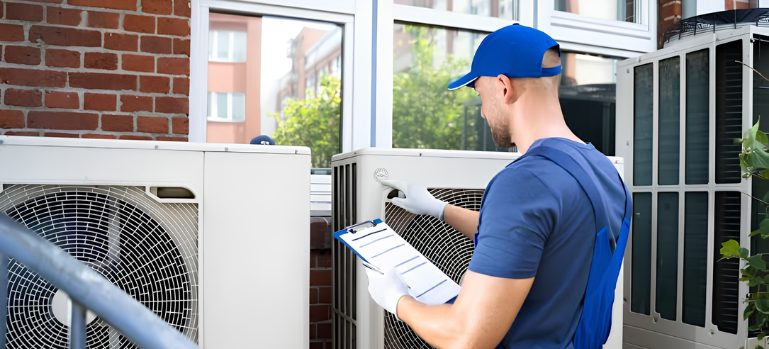
Have you recently walked past your outdoor cooling unit and noticed a strange, white, powdery substance coating the metal grates? If you live near the Gulf Coast, that isn’t just everyday dust—it is the early, destructive stage of aggressive salt corrosion. To protect your AC from severe internal damage, you need to act long before the system completely shuts down. The salty breeze blowing off the water is relentless, and ignoring it will inevitably lead to an emergency search for reliable Ac Repair Palm Harbor FL. Whether your property overlooks the water near Crystal Beach or sits slightly inland, that salt-laden air is quietly eating away at your system’s most vital components, severely restricting airflow, and driving up your monthly energy bills.
In this comprehensive, high-intent guide, we are diving deep into the science of coastal HVAC deterioration. We will show you exactly how the harsh Florida climate attacks your equipment. More importantly, we will provide actionable, professional-grade strategies to safeguard your investment. By following these expert tips, you can significantly extend the lifespan of your unit and avoid the intense stress of desperately searching for Ac Repair Near Me during the absolute hottest months of the summer.
The Hidden Threat: How Coastal Environments Destroy HVAC Systems
Florida’s beautiful coastal environment presents unique, expensive challenges that inland residents simply do not have to face. The constant breeze from the Gulf of Mexico continuously carries microscopic salt crystals that settle on every exposed surface of your outdoor condenser unit. When this thick layer of salt combines with our famously high humidity, a highly destructive chemical reaction begins immediately. As a highly experienced Hvac Contractor Palm Harbor Florida, we see the devastating effects of this specific environment every single day. Systems that are only two or three years old can look like they have been weathering harsh storms for decades if they lack proper, specialized maintenance.
This deterioration process is scientifically known as galvanic corrosion. When two dissimilar metals—such as the copper tubing and the aluminum fins found in your condenser coil—are exposed to saltwater moisture, an electrical reaction occurs, and one metal rapidly degrades. The aluminum fins, which are absolutely critical for releasing the heat your system pulls from inside your home, become highly brittle. They quickly turn into a powdery, white substance and will literally crumble away at the slightest touch.
Once these fins are gone, your cooling system loses its ability to operate efficiently. It runs longer cycles, works much harder, and consumes vastly more electricity to cool the exact same amount of square footage. Eventually, this unchecked corrosion penetrates the copper tubing holding your pressurized refrigerant. This creates microscopic holes known as “pitting,” leading to catastrophic leaks. When this happens, you will require extensive Air Conditioner Repair Palm Harbor Florida just to restore the most basic functionality to your system.
Early Warning Signs Your AC is Suffering from Salt Damage
Catching the early signs of salt damage is the absolute key to avoiding premature system replacement costs. Savvy homeowners must routinely inspect their outdoor units to catch these structural red flags early. If you spot any of the following issues, it is time to call for professional Ac Repair Palm Harbor FL to accurately assess the situation before it worsens.
1. Flaking or Crumbling Aluminum Fins Take a very close look at the delicate metal fins wrapping around the outside of your condenser unit. If they look white, chalky, or crumble when you lightly brush them with your finger, salt corrosion has already begun destroying your system. Missing fins severely limit heat dissipation, forcing the compressor to overheat.
2. Visible Rust and Exterior Discoloration While the outer cabinet is heavily painted to resist the outdoor elements, any small scratch from lawnmowers or flying debris can expose bare steel. Once the heavy salt air penetrates these vulnerable spots, rust forms almost immediately. While exterior rust is largely a cosmetic issue, internal rust on the fan motor or compressor shell is a massive operational hazard.
3. Unexplained Energy Bill Spikes As salt corrosion clogs airflow and insulates the metal coils, your system’s energy efficiency plummets drastically. It must run twice as long to achieve your desired thermostat setting. If your electric bill is soaring despite normal usage, a degraded condenser coil is highly likely. To protect your AC and keep your monthly utility costs manageable, you must address this restriction immediately.
4. Frequent System Freezing or Warm Airflow When pitting corrosion finally breaches the copper refrigerant lines, your unit rapidly loses its critical chemical charge. Low refrigerant causes the indoor evaporator coil to freeze over entirely, turning into a block of solid ice. Alternatively, you may simply feel warm, sticky, unconditioned air coming from your vents. In this deeply frustrating scenario, you will need immediate Air Conditioner Repair Palm Harbor Florida to diagnose the leak and restore your home’s indoor comfort levels.
Actionable Steps to Safeguard Your Cooling System
You do not have to simply accept that your expensive cooling equipment will rust away into nothing. With proactive care and localized knowledge, you can drastically slow down this corrosion process. Here are the most effective, proven strategies recommended by trusted local HVAC experts.
1. Rinse Your Condenser Unit Regularly
One of the easiest, cheapest, and most effective ways to combat heavy salt buildup is simply to wash it away. Every two to four weeks, take a standard garden hose and gently rinse the entire exterior of your outdoor unit. Use a low-pressure setting—never use a high-pressure washer, as the intense force will instantly crush and flatten the fragile aluminum fins. Rinsing removes the accumulated microscopic salt crystals before they have the opportunity to bond to the metal and initiate the rapid rusting process.
2. Apply Specialized Coastal Anti-Corrosion Coatings
If you live within a few miles of the coast, standard factory protection applied by the manufacturer is rarely enough to survive. You can ask a qualified technician to apply a specialized epoxy or polyurethane anti-corrosion coating directly to your coils. This creates a highly durable, physical barrier between the raw metal and the corrosive salt air, significantly delaying rust. Whenever you schedule a routine tune-up or Ac Repair Palm Harbor FL, ask the technician if they provide this essential protective coating service.
3. Be Strategic with Your Property Landscaping
You can use your property’s natural landscaping to create a windbreak that shields your outdoor unit from direct coastal breezes. Planting sturdy, salt-tolerant shrubs or installing a breathable privacy fence can deflect a massive amount of the salt-laden wind away from your machinery. Just ensure you always leave a strict minimum of two to three feet of clearance around the entire unit. Blocking the necessary airflow with dense vegetation will cause the compressor to choke and overheat, inevitably leading to a desperate search for Ac Repair Near Me when the motor inevitably burns out.
4. Schedule Routine Professional Maintenance
There is absolutely no replacement for a trained, professional eye. Having your entire HVAC system thoroughly inspected and chemically cleaned twice a year is critical in our specific geographic area. A highly qualified technician uses specialized, non-acidic coil cleaners to safely and effectively dissolve the hardened salt and grime that a simple garden hose cannot remove. Consistent, professional maintenance is the absolute best way to protect your AC and guarantee it runs flawlessly all summer long.
Repair vs. Replace: When Has Salt Damage Gone Too Far?
At some point, every single coastal homeowner faces the incredibly difficult financial decision of whether to repair a failing unit or invest in a full, brand-new replacement. When your system suffers a sudden breakdown, finding reliable Ac Repair Palm Harbor FL is essential to getting an honest assessment of the damage.
Minor surface rust on the outer cabinet or a single failed electrical component (like a capacitor or contactor) can easily and affordably be fixed. Even small, isolated refrigerant leaks can sometimes be patched successfully. But if the aggressive galvanic corrosion has completely disintegrated the heat-dissipating fins, or if the internal copper coils are completely riddled with microscopic pitting leaks, spending your hard-earned money on adding more refrigerant is a terrible investment.
Eventually, the overall structural integrity of the coil fails completely, resembling Swiss cheese. At this highly advanced stage of deterioration, continuing to search for Ac Repair Near Me for quick, cheap fixes will only drain your wallet over time. A trustworthy, highly-rated Hvac Contractor Palm Harbor Florida will sit down, explain the math, and help you clearly understand if a new, coastally-treated unit will ultimately save you more money in the long term compared to endless emergency service calls.
Why You Need a Local Palm Harbor Expert
The modern HVAC industry is heavily flooded with large franchise companies that treat every single home exactly the same, regardless of their specific zip code or environmental exposure. But our unique, beautiful coastal geography requires highly specialized, localized expertise. A technician from an inland area or a different state simply does not grasp the aggressive, unforgiving nature of Gulf Coast salt air.
When you hire a dedicated, locally owned Hvac Contractor Palm Harbor Florida, you get a seasoned professional who knows exactly which internal components are most vulnerable to rapid oxidation. They know how to accurately spot the subtle, early warning signs of pitting before it causes a massive blowout that floods your home with warm air. Furthermore, genuine local experts stock the specific heavy-duty replacement parts and protective sprays needed to keep coastal homes cooling efficiently. When you need dependable Ac Repair Palm Harbor FL, you need someone who understands the exact climate challenges you face every single day.
Conclusion
Battling the coastal elements is an inescapable reality of Florida living, but it absolutely does not mean you are forced into replacing your cooling system every five years. By deeply understanding the underlying science of salt corrosion, constantly watching for early visual warning signs, and committing to strict preventative maintenance, you can effectively protect your AC and maximize its operational lifespan.
When unexpected issues inevitably arise, choosing the right local partner means everything for your peace of mind and your bank account. Do not trust your most expensive home appliance to just anyone looking to make a quick sale. Rely on seasoned tradesmen who truly value your budget and strongly prioritize honest work over forced, unnecessary replacements. For transparent, affordable, and expert Ac Repair Palm Harbor FL, always choose a dedicated team that treats your home with the utmost respect. If you need a professional assessment of your system’s current salt exposure or require immediate Air Conditioner Repair Palm Harbor Florida, contact a trusted local expert today to secure your indoor comfort.
Frequently Asked Questions (FAQs)
Q1: How often should I rinse my AC unit to prevent salt damage?
Rinse your outdoor condenser gently with a standard garden hose every two to four weeks. This simple routine prevents corrosive salt from bonding to the metal, significantly extending its lifespan.
Q2: Can coastal coatings really save my air conditioning system?
Yes! A professional-grade epoxy or polyurethane anti-corrosion coating creates a durable barrier over the delicate coils. This shields the metal from salt air and delays catastrophic pitting leaks.
Q3: Is it normal for my AC to rust quickly in Palm Harbor?
Yes, minor surface rust is very common due to our high humidity and salty ocean breeze. However, deep flaking rust on internal coils requires immediate professional attention to prevent total failure.
Q4: How do I know if salt air caused my refrigerant leak?
Salt air causes specific “pitting corrosion” on copper lines. If your technician finds microscopic holes in the coils surrounded by a chalky white powder, coastal salt exposure is the direct cause.
Q5: When is salt damage beyond a simple professional repair?
If the aluminum condenser fins crumble upon touch, or if multiple leaks appear due to severe coil corrosion, a full system replacement is far more cost-effective than repeatedly paying for patch jobs.