
Indoor air quality is an important part of maintaining a comfortable and healthy home. Many homeowners do not realize that moisture inside HVAC systems can create the perfect environment for mold, bacteria, and other biological growth. Over time, this buildup can affect airflow, system efficiency, and the quality of the air circulating through your home.
One solution that many homeowners explore is installing UV lights inside their HVAC systems. These lights are designed to reduce microbial growth and help keep important system components clean. For homeowners looking for HVAC Services St Petersburg FL, understanding how UV lights work and when they are beneficial can help you make better decisions about your HVAC system and indoor air quality.
What Are UV Lights in an HVAC System?
UV lights used in HVAC systems are ultraviolet germicidal lights designed to reduce biological growth such as mold, bacteria, and fungi. These lights are typically installed inside the air handler or near the evaporator coil.
Air conditioning systems naturally create moisture during normal operation. The evaporator coil can become damp because it cools air to very low temperatures. In humid climates like Saint Pete and other parts of Pinellas County, that moisture can lead to microbial buildup inside the system.
UV lights help address this issue by emitting ultraviolet radiation that disrupts the DNA of microorganisms, preventing them from growing and spreading inside the system.
How UV Lights Work Inside Your HVAC System
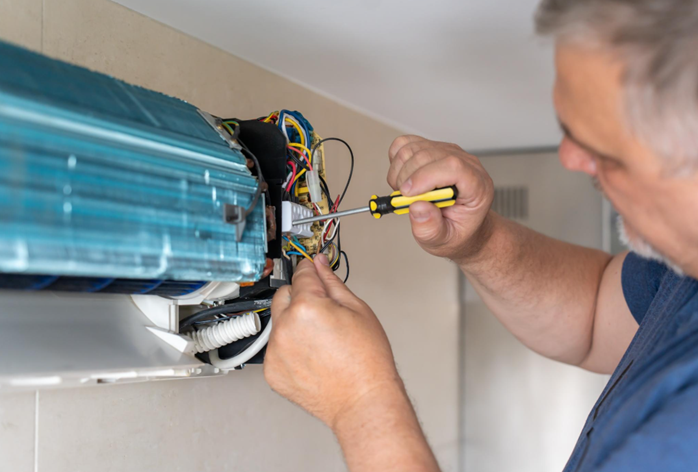
UV lights are usually installed in areas where biological growth commonly develops. The most common location is near the evaporator coil inside the air handler.
When the system runs, the UV light continuously shines on surfaces that tend to stay damp. This exposure helps neutralize mold, bacteria, and other contaminants before they spread through the ductwork.
Two common installation points include:
- UV Lights Near the Evaporator Coil: These lights focus on keeping the coil clean and preventing mold buildup.
- UV Lights Inside the Duct System: In some systems, UV lights are placed in return ducts to treat air moving through the HVAC system.
This setup helps improve airflow, reduce contamination, and maintain cleaner internal components.
Why Biological Growth Is Common in Air Conditioning Systems
Air conditioners naturally produce condensation during operation. When warm air passes over the cold evaporator coil, moisture forms on the coil surface.
This environment creates ideal conditions for microbial growth. Over time, mold or bacteria can develop on the coil, drain pan, and other nearby components.
If left untreated, this buildup can lead to several issues:
- Reduced airflow through the evaporator coil
- Increased strain on blower motors and other components
- Lower indoor air quality as contaminated air circulates through the home
In severe cases, buildup on the coil can affect system efficiency and may contribute to expensive repairs such as AC Compressor Repair St Petersburg FL if airflow problems lead to system strain.
Benefits of Installing UV Lights in an HVAC System
Improved Indoor Air Quality
UV lights help reduce microorganisms that may circulate through your home’s air.
- Helps control mold and mildew inside the HVAC system
- Reduces bacteria that may affect indoor air quality
- Can help minimize allergy triggers in the home
Cleaner HVAC Components
UV lights primarily target surfaces where biological growth develops.
- Keeps evaporator coils cleaner over time
- Helps prevent buildup inside the air handler
- Reduces the chances of clogged or restricted airflow
Better System Efficiency and Longevity
A clean HVAC system generally operates more efficiently than one with heavy buildup.
- Helps maintain proper airflow through the system
- Reduces strain on motors and compressors
- May help extend the lifespan of HVAC components
When combined with routine HVAC Maintenance Oldsmar FL, UV lights can support long-term system performance.
When Homeowners Should Consider UV Lights
UV lights are not necessary for every home, but they can be beneficial in certain situations.
Homeowners in Saint Pete may want to consider UV lights if:
- The home has recurring mold issues inside the HVAC system
- Family members suffer from allergies or respiratory sensitivities
- The HVAC system operates in a humid environment
- The evaporator coil frequently develops buildup
Because Florida’s climate is warm and humid most of the year, biological growth inside HVAC systems is fairly common.
Why Professional Installation Is Important
UV lights may seem like a simple upgrade, but proper installation is critical. Incorrect installation can lead to electrical issues or reduced effectiveness.
A trained HVAC technician will typically:
- Install the UV light in the correct location inside the system
- Ensure the unit receives proper electrical power
- Add a dedicated transformer if needed
- Verify that the system components are protected from direct UV exposure
Improper installations sometimes use existing system transformers that are not rated to handle the additional power load, which can lead to electrical failures. Professional installation helps prevent those issues and ensures the system operates safely.
Conclusion
UV lights can be a helpful addition to many HVAC systems, especially in humid areas like Saint Pete and throughout Pinellas County. By reducing biological growth inside the air handler and around the evaporator coil, UV lights can help improve indoor air quality, support airflow, and protect important HVAC components.
However, they work best when combined with regular maintenance and professional inspections. If you are considering installing UV lights or want to learn whether they are right for your system, speaking with experienced technicians is always a smart step.
For homeowners looking for guidance or installation services, Newtons Heating and Air Conditioning can help evaluate your system and recommend the right indoor air quality solutions for your home. Would adding UV lights improve the performance of your HVAC system?
FAQs
1. Do UV lights really improve indoor air quality?
Yes, UV lights can reduce mold, bacteria, and other microorganisms inside HVAC systems. While they do not replace air filters, they help control biological growth on coils and other internal components.
2. How long do HVAC UV light bulbs last?
Most HVAC UV bulbs last about 12 to 24 months before needing replacement. Regular inspections during maintenance visits ensure the lights continue working effectively.
3. Can UV lights prevent mold in an air conditioner?
UV lights are commonly used to reduce mold growth on evaporator coils and inside air handlers. Because these areas stay damp, UV exposure helps prevent microbial buildup from spreading.
4. Should UV lights be installed during HVAC installation?
Yes, many homeowners choose to install UV lights when upgrading or during HVAC Installation St Petersburg FL projects. Installing them at the same time can make placement easier and ensure the system is properly configured.