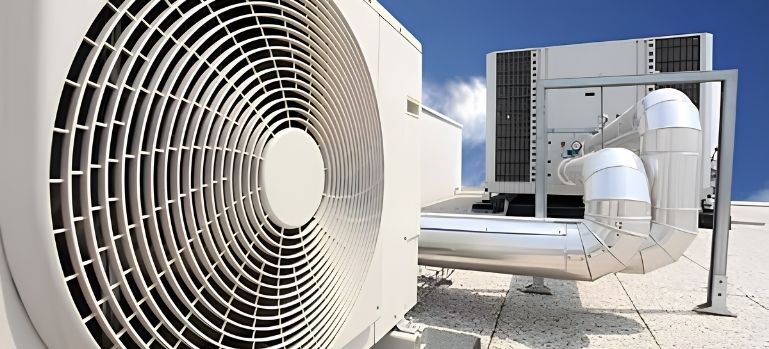
Picture this: it’s a sweltering July afternoon, the humidity is sitting at a suffocating 90%, and your air conditioner suddenly gives out. When the heat turns your living room into an oven, finding a reliable HVAC Contractor in Clearwater FL homeowners trust becomes an immediate emergency.
We love our slice of the Sunshine State with its sugar-white beaches, but the Florida climate is completely unforgiving when cooling systems break down. In that moment of panic, having an experienced professional on speed dial makes all the difference between sweating through the weekend and restoring your home to a crisp, refreshing oasis.
Finding the right company before catastrophic failure strikes saves you money, protects your equipment, and preserves your peace of mind. In this beginner-friendly guide, we will walk you through everything you need to know about heating and air conditioning in Pinellas County. We will skip the complicated jargon, provide practical examples, and share actionable tips so you can make informed decisions for your home.
The Clearwater Climate: Why Your AC Works Overtime
Before diving into how to hire a professional, it helps to understand why cooling systems in coastal Florida take such a beating. Our climate presents extreme challenges rarely seen in northern or midwestern states:
Relentless Humidity: Your air conditioner is actually a two-in-one machine: it cools the air and extracts moisture. Clearwater’s persistent 70% to 90% humidity forces compressors and blower fans to run almost non-stop. This constant operation is necessary to keep indoor spaces dry enough to prevent toxic mold, mildew growth, and warping hardwood floors.
Salt Air Corrosion: If you live anywhere near the Gulf Coast, salty coastal breezes constantly wash over your outdoor condenser. Salt deposits settle on delicate aluminum fins and copper tubing, dramatically accelerating rust, pitting, and coil degradation. A unit that lasts 15 years in Ohio might only survive 8 to 10 years on the Florida coast without proper chemical protection.
Minimal Off-Season: In colder parts of the country, heating and cooling equipment gets several months of rest during mild spring and autumn days. In Clearwater, cooling systems work nearly ten to eleven months straight each year.
Because wear and tear accumulates at roughly double the national average, you need technicians who understand local coastal challenges and know exactly how to shield sensitive components against salt and intense humidity.
The Risks of DIY: Why You Need Professional AC Repair Clearwater Florida
With endless DIY video tutorials available at the touch of a screen, it is highly tempting to grab a wrench and try fixing a faulty cooling unit yourself. When it comes to complex thermodynamic, electrical, and refrigerant circuits, however, amateur tinkering frequently turns minor problems into expensive disasters.
Practical Example:
Imagine your AC starts blowing lukewarm air. You watch a five-minute video, assume the system simply needs a quick refrigerant top-off, and purchase a DIY canister online. What the video failed to mention is that modern systems use specific chemical blends regulated by strict federal EPA standards. Overcharging a system by even a few ounces creates intense hydraulic pressure spikes that can completely destroy the compressor. The compressor is the engine of your air conditioner—and replacing it can easily cost $2,000 to $3,500. A simple $150 capacitor check has now transformed into a catastrophic financial headache.
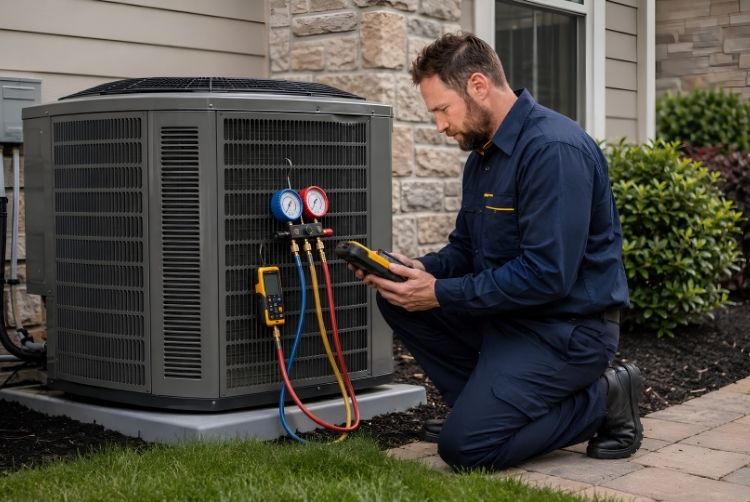
Tackling AC Repair Clearwater Florida requires specialized digital manifold gauges, recovery pumps, and strict EPA Section 608 certification. Licensed technicians are trained to identify root causes—whether that means an airflow restriction, a blown high-voltage fuse, or a microscopic pinhole leak—without jeopardizing your manufacturer’s warranty or your personal safety.
4 Things to Look for in a Reputable Service Provider
Not all mechanical companies operate with the same standard of craftsmanship. When temperatures surge past 95 degrees, it is tempting to book the first contractor with an open slot. Taking just fifteen minutes to vet your service provider will protect your home and wallet.
Here is exactly what you should demand from any reputable contractor:
1. State Licensing and Comprehensive Insurance
In Florida, heating and air conditioning work must be performed by a licensed contractor holding either a Certified Air Conditioning Contractor license (statewide) or a Registered license (county-specific). Always verify their license number on the Florida Department of Business and Professional Regulation (DBPR) portal. Additionally, insist on proof of general liability and workers’ compensation coverage. If an uninsured handyman gets hurt in your attic or accidentally causes a house fire, liability could fall squarely on your shoulders.
2. Proven Local Roots and Community Reputation
Fly-by-night operators frequently pop up after severe storms and vanish when warranty claims arise. Partner with established companies that have proudly served Clearwater, Dunedin, Largo, and Safety Harbor for years. Read independent feedback across Google Reviews and the Better Business Bureau. Pay close attention to how management handles dissatisfied clients—a true professional company always responds constructively and seeks fair resolutions.
3. Upfront, Written Estimates
A trustworthy contractor stands behind transparent pricing. After thoroughly diagnosing your system on-site, they should present an itemized estimate explaining required replacement parts, labor rates, and warranty details before any work begins. Beware of contractors who quote fixed repair prices over the telephone without physically inspecting the equipment; these are often designed to bait you into an inflated final invoice once they arrive at your home.
4. True 24/7 Emergency Availability
Air conditioners rarely fail during convenient business hours; they break on holiday weekends or during sultry August nights. Make sure your chosen company maintains a genuine emergency dispatch service with live dispatchers, rather than a generic answering machine that sits unchecked until Monday morning.
Common System Failures Requiring HVAC Services Clearwater FL
Recognizing early warning signs allows you to schedule routine maintenance before experiencing an agonizing mid-summer breakdown. The most common problems addressed by HVAC Services Clearwater FL providers include:
Clogged Condensate Drain Lines: As warm, humid air crosses the ice-cold evaporator coil, moisture condenses into water and runs down a PVC drain line. In our warm climate, dark, damp drain lines quickly become breeding grounds for algae and slime. When the pipe clogs, the drain pan overflows, triggering catastrophic water damage across ceilings and floors.
Frozen Evaporator Coils: If you see literal blocks of ice encasing your indoor air handler, do not keep running the machine. Freezing is typically caused by severely restricted airflow (such as a neglected, dust-clogged air filter) or an active refrigerant leak. Running a frozen unit forces the fan motor to overwork until it burns out entirely.
Swollen or Blown Capacitors: Capacitors act like temporary battery packs, providing the high-voltage jolt required to kick-start heavy fan motors and compressors. Florida’s brutal ambient heat puts extreme thermal stress on these small parts, causing them to swell, leak electrolyte fluid, and fail without warning.
Practical Example:
Suppose you notice water pooling around the base of your air handler in the garage. A low-tier handyman might simply vacuum out the immediate puddle and call it a day. A dedicated contractor will clear the entire drain line with pressurized nitrogen, treat the line with antibacterial tablets, and wire an automatic safety float switch into your control board. If the line ever backs up again, the float switch shuts off the unit instantly, preventing thousands of dollars in hidden water damage to surrounding drywall and subflooring.
Actionable Tips for Maintaining Your Cooling System
While complex mechanical repairs belong in the hands of trained professionals, regular proactive maintenance by homeowners dramatically lowers operating costs and extends equipment lifespan.
| Maintenance Task | Recommended Frequency | Primary Benefit |
| Inspect & Replace Air Filters | Every 30 to 60 Days | Preserves airflow, cuts electric bills, prevents frozen coils |
| Clear Outdoor Condenser Perimeter | Once a Month | Ensures unobstructed heat dissipation and prevents motor strain |
| Flush Condensate Drain with Vinegar | Every 60 Days | Dissolves algae, stops slime blockages, and prevents ceiling leaks |
| Keep Supply & Return Vents Open | Ongoing | Maintains balanced static pressure and prevents duct leaks |
| Professional Bi-Annual Tune-Up | Twice a Year (Spring & Fall) | Catches electrical issues, cleans coils, verifies refrigerant levels |
Change Filters Diligently: A clogged filter chokes system airflow, forcing the blower motor to work harder while pulling more electricity from the grid. Check your 1-inch pleated filters every single month, especially if you have shedding pets or live near dusty construction zones.
Maintain a 2-Foot Clearance: Clear away invasive vines, palm fronds, and tall grass from around your outdoor condenser. The unit needs unobstructed space to push hot air out into the atmosphere. If the hot air is trapped by bushes, the system overheats.
Use Distilled White Vinegar: Pour half a cup of regular distilled white vinegar down your condensate line T-pipe every two months. The natural acidity eliminates algae colonies without deteriorating the PVC glue joints the way harsh bleach can.
Avoid Closing Interior Vents: Shutting supply vents in unused guest rooms does not save energy. It creates uneven static pressure inside your ductwork, leading to duct joint separations and strained fan motors.
The $5,000 Rule: When to Replace Rather Than Repair
At some point, sinking money into an aging, inefficient unit stops making financial sense. If you are constantly debating between another costly repair and a complete system replacement, utilize the industry-standard $5,000 Rule:
System Age (Years) x Cost of Repair ($) = Decision Score
Under 5,000: Repairing the equipment is typically the wiser financial choice.
Over 5,000: The system is nearing the end of its useful life, and your money is better invested into a modern, high-efficiency replacement.
For Example: If your AC unit is 11 years old and needs a $650 fan motor repair, your calculation is 11 x 650 = 7,150. Because this exceeds 5,000, continuing to patch up the old system is likely throwing good money after bad. Modern variable-speed systems operating above 16 SEER2 (Seasonal Energy Efficiency Ratio) consume up to 30% to 40% less electricity than decade-old systems, allowing significant monthly energy savings to offset the new installation costs over time.
Living in Clearwater offers incredible coastal sunshine, but dealing with an unexpected cooling breakdown in the dead of summer can quickly turn paradise into an unbearable headache. Your air conditioning system is the single most vital appliance in your home, actively protecting your family’s comfort, indoor air quality, and property value.
By recognizing the unique coastal demands placed on your unit, steering clear of dangerous DIY fixes, and following simple maintenance routines, you can keep your home pleasantly cool while keeping monthly electric bills manageable. Do not wait until smoke, strange noises, or lukewarm air signal a complete system failure. Take time today to research local credentials, check reviews, and partner with a licensed, experienced cooling professional. Save their contact information now so that when the Florida heat arrives at full blast, you can relax in total comfort.
Frequently Asked Questions (FAQs)
1. How long does an HVAC system typically last in Clearwater, FL?
Because of our extreme humidity, year-round usage, and salty coastal air, air conditioners in Florida work much harder than they do up north. On average, you can expect a well-maintained system to last 10 to 12 years in the Clearwater area. Scheduling bi-annual tune-ups with a qualified HVAC Contractor Clearwater FL is the best way to maximize the lifespan of your equipment.
2. Why is my air conditioner leaking water inside my garage or closet?
This is one of the most common reasons homeowners call for AC Repair Clearwater Florida! Typically, it means your condensate drain line has become clogged with algae, mold, or dirt. Because your AC pulls gallons of humidity from the air daily, a blocked pipe causes water to back up and overflow the interior drip pan. You can help prevent this by flushing your drain line with white vinegar every two months.
3. How often should I schedule professional HVAC maintenance?
Industry experts strongly recommend scheduling professional HVAC Services Clearwater FL twice a year. Having a technician inspect your system in the spring prepares it for the brutal summer heat, while a fall tune-up ensures everything is running efficiently for the mild winter. Regular maintenance catches small electrical issues before they turn into expensive breakdowns and keeps your monthly energy bills low.
4. How do I know if I should repair my broken AC or replace it completely?
A great guideline to follow is the “$5,000 Rule.” Simply multiply the age of your air conditioner by the quoted cost of the repair. If the total is more than 5,000, it is usually much more cost-effective to replace the unit. Additionally, if your system uses outdated R-22 refrigerant or requires constant repairs, upgrading to a modern, high-efficiency model will quickly pay off in energy savings.
5. What is the most important thing to look for when hiring an AC repair company?
The most critical factor is verifying that they carry an active Florida state license and comprehensive liability insurance. Beyond legal credentials, look for an HVAC Contractor Clearwater FL that offers transparent, written estimates, has excellent local community reviews, and provides genuine 24/7 emergency support so you are never left stranded during a weekend heatwave.