
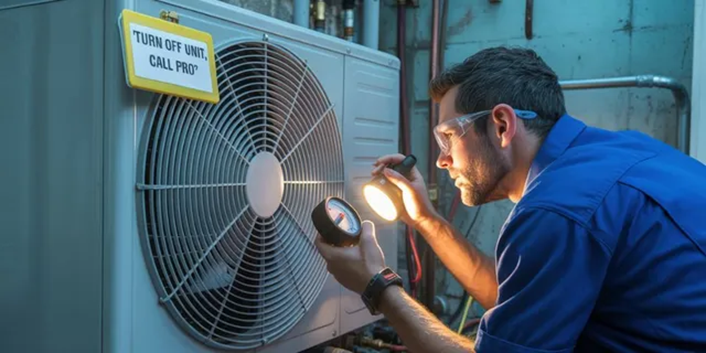
Air conditioners in Saint Pete run almost year-round because of the region’s heat and humidity. As a result, the condensate drain line in your AC system works constantly to remove moisture from the air. When this line becomes clogged with algae, dirt, or debris, it can lead to water leaks, system shutdowns, or indoor humidity problems. Many homeowners wonder if they should use vinegar or bleach to clean the line. Understanding the safest way to maintain your AC drain line can help prevent costly repairs and keep your system operating efficiently. If problems develop, professional HVAC Services St Petersburg FL can help diagnose and resolve drainage issues quickly.
What Does an AC Drain Line Do?
Your air conditioning system doesn’t just cool air, it also removes moisture from it. When warm air passes over the evaporator coil, condensation forms and collects in a drain pan.
The drain line carries that water safely away from the unit and out of the home.
If the line works properly, moisture flows outside without you ever noticing it. But when the line becomes clogged or restricted, water can back up into the system. In some homes, this can cause ceiling stains, water damage, or the AC unit shutting down.
Because Florida homes experience heavy humidity, keeping the drain line clear is an important part of regular HVAC care.

Why AC Drain Lines Get Clogged
Drain lines may look simple, but they can accumulate buildup over time.
Common causes of clogs include:
- Algae and mold growth inside the line
- Dust and debris from the air handler
- Rust or sludge from the drain pan
- Insects or small particles entering the outdoor end
In humid areas like Saint Petersburg, algae growth is especially common. When it develops inside the pipe, the line slowly restricts water flow until it eventually blocks completely.
Routine inspections from companies that provide Home HVAC Maintenance Seminole FL and nearby service areas often include checking the drain line to prevent this issue before it worsens.
Should You Use Vinegar or Bleach in the Drain Line?
Many homeowners search for quick DIY solutions to clear their AC drain line. Two common options people mention are vinegar and bleach.
- Using Vinegar
Vinegar is generally the safer option for routine maintenance.
White distilled vinegar can help break down light organic buildup and reduce algae growth. Because it is acidic but not extremely harsh, it is less likely to damage the PVC drain line or surrounding components.
A small amount poured into the access port every few months can help keep buildup under control.
- Using Bleach
Bleach is stronger and can kill algae quickly. However, it is not always recommended.
Bleach may cause problems such as:
- Corrosion of metal components
- Damage to certain drain pans or fittings
- Strong fumes inside the air handler area
Because of these risks, many HVAC technicians prefer vinegar or specialized drain cleaning products instead of bleach.
If the drain line is already clogged, chemical solutions alone usually will not fix the problem. A professional may need to flush or vacuum the line.
Signs Your AC Drain Line May Be Clogged
A blocked drain line usually gives warning signs before major damage occurs.
Watch for these common symptoms:
- Water pooling near the indoor air handler
- AC system shutting off unexpectedly
- Musty or moldy odors from vents
- Excess humidity inside the home
- Water stains around the unit or ceiling
If you notice any of these problems, it’s best to have a technician inspect the system. Issues like these are often handled during AC Compressor Repair St Petersburg FL visits or routine maintenance appointments.
Safe HVAC Drain Line Maintenance Tips
Proper maintenance can reduce the risk of clogs and water damage.
Keep the Drain Line Clear
Simple preventative steps can make a big difference.
- Pour a small amount of white vinegar into the drain line access port every few months
- Check the outdoor drain pipe occasionally to ensure water is flowing
- Make sure the drain pan remains clean and free of debris
Small maintenance steps help prevent algae from building up in the first place.
Inspect Your System Regularly
Routine checks allow homeowners to spot problems early.
- Look for moisture around the air handler
- Check for unusual smells from vents
- Listen for unusual AC shutdowns or warning signs
These simple inspections help prevent larger HVAC problems.
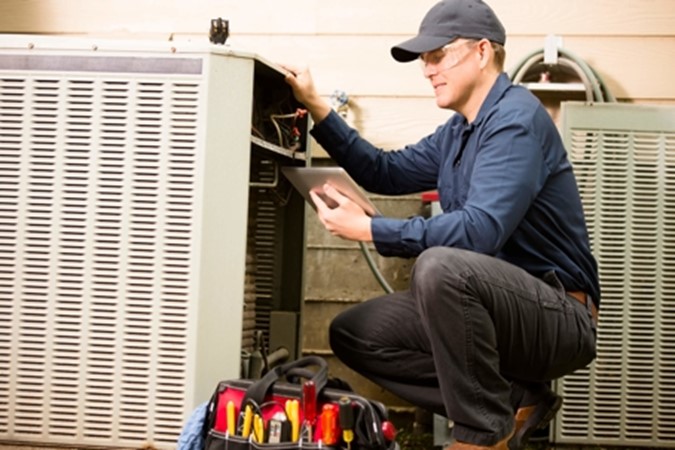
Schedule Professional Maintenance
Annual service visits help keep the system operating correctly.
- Technicians flush the condensate drain line if needed
- They inspect the evaporator coil and drain pan
- The entire AC system is checked for airflow and moisture issues
Regular inspections are often included in HVAC Maintenance Oldsmar FL programs and other preventative service plans throughout Pinellas County.
When to Call an HVAC Technician
Some drain line problems require professional tools and expertise.
Call an HVAC professional if:
- Water continues to leak around your AC unit
- The drain line appears completely blocked
- The system repeatedly shuts off
- You notice mold growth or persistent humidity issues
Technicians can clear the line using specialized equipment such as vacuum pumps or pressurized flushing tools. This ensures the blockage is removed without damaging the system.
Conclusion
Maintaining your AC drain line is a simple but important part of protecting your HVAC system. While vinegar can help prevent algae buildup, bleach may be too harsh for regular use and could damage certain components. Regular inspections, proper cleaning, and professional maintenance are the best ways to avoid clogs and water damage.
If your drain line becomes blocked or your AC system shows signs of moisture problems, it may be time for professional help. Newtons Heating and Air Conditioning provides experienced service for homeowners across Saint Petersburg and the surrounding areas.
Have you checked your AC drain line recently?
FAQs
1. Can vinegar damage an AC drain line?
No. White distilled vinegar is generally safe for PVC drain lines and is commonly recommended to help reduce algae buildup when used in small amounts.
2. How often should I clean my AC drain line?
Most homeowners should clean the drain line every 2-3 months, especially in humid climates like Saint Petersburg where algae growth happens more quickly.
3. What happens if an AC drain line clogs?
A clogged line can cause water to back up into the drain pan, potentially triggering a safety switch that shuts off the system or causing water leaks around the air handler.
4. Should I call a professional for drain line problems?
If the drain line is fully blocked or water continues leaking around the unit, it’s best to contact professionals who provide HVAC Services St Petersburg FL to safely clear the line and inspect the system.